Complete Guide to Insured Fraud Protection
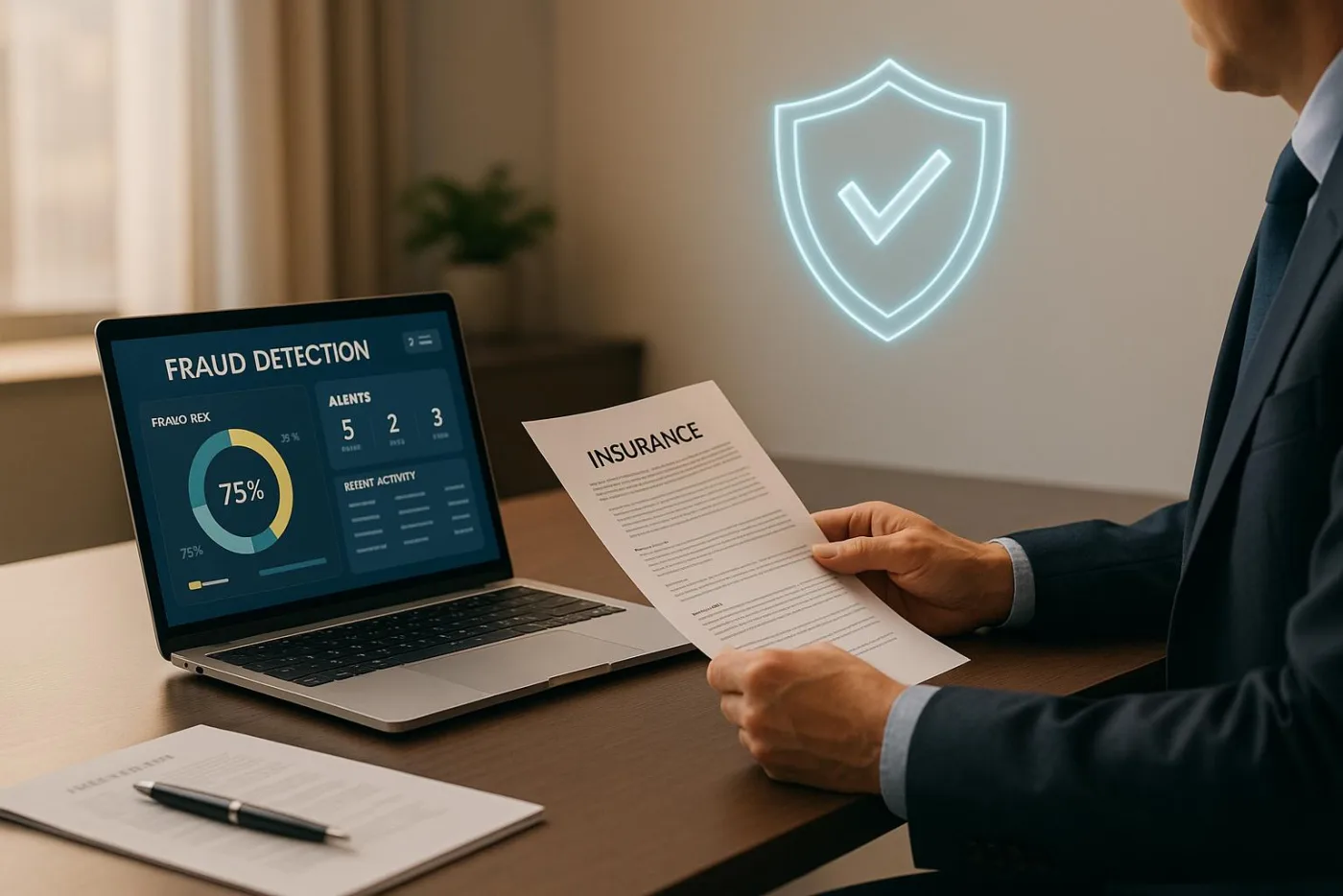
“Fraud protection” has meant one thing for two decades: tools that try to stop fraud before it happens. Insured fraud protection adds the missing half: coverage for the fraud that happens anyway. This guide walks through what it is, how to evaluate it, and how it fits the stack you already run.
Detection vs. insurance: two halves of one problem
Your fraud program has two jobs it can never fully separate:
- Reduce frequency. Verification and detection lower how often fraud is approved.
- Absorb the residual. Whatever fraud gets through still causes a loss, and someone pays for it.
Historically, you did the first job with software and the second job with your own balance sheet. Insured fraud protection lets you do the second job with an insurance policy instead. Detection stays exactly where it is; insurance covers the loss it can’t.
What “insured” actually requires
Not every promise to cover a loss is insurance. Real insured fraud protection has three ingredients:
- Underwriting. Someone has to price the risk. In a modern program that’s an actuarially-validated AI model scoring fraud-loss risk per account, in real time.
- Rated capacity. Someone has to be able to pay claims through volatile fraud cycles. That means balance-sheet backing from rated insurers — for Instnt, Munich Re and Swiss Re, each rated A+ (Superior) by AM Best.
- A claims process. Filing has to be fast and outcomes predictable. Covered losses reimbursed within 30 days, subject to policy terms, against evidence captured at onboarding, is the standard to hold a program to.
If any of those three is missing, you have a warranty or a marketing claim, not insurance.
What’s typically covered
Insured fraud protection targets identity-fraud losses incurred during and after onboarding:
- Synthetic identity fraud — fabricated identities that pass verification.
- Third-party fraud — stolen identities used to open or take over accounts.
- Account takeover — legitimate accounts compromised and drained.
- First-party fraud — “never-pay” applicants who default by design.
Exactly which losses are insurable for your book is an underwriting question, which is why a program should start with an assessment of your actual exposure, not a generic quote.
How to evaluate a program
When you assess insured fraud protection, ask:
- Who backs it? Look for named, rated reinsurers, not a vague “A-rated carrier.”
- How does it integrate? A good program installs like an analytics tag and leaves your KYC/detection stack intact. If it requires a rip-and-replace, that’s friction you don’t need.
- How are claims paid? Ask for the reimbursement window and how claims are evidenced. “Covered losses reimbursed within 30 days, subject to policy terms” is a meaningful commitment; “case-by-case” is not.
- How is risk priced? The underwriting model should be explainable, which a regulated buyer requires.
- What does it cost vs. what you lose today? Use an ROI estimate grounded in the fully-loaded cost of fraud (the LexisNexis 4.41× multiplier), not just face-value losses.
The economics
The reason insured fraud protection is spreading is financial, not technical. Fraud loss is one of the few large costs on a financial institution’s P&L that has been left uninsured and unmanaged. Converting it from a volatile write-off into a fixed premium does three things: it makes the number predictable, it frees the capital held as fraud reserves, and it lets growth teams approve more good customers because the downside is now covered.
For the capital-efficiency argument in depth, see Fraud as an Insurable Risk. For the plain-language product overview, see What Is Identity Fraud Loss Insurance?
Where to start
The fastest way to know whether insured fraud protection is worth it for you is to size your exposure. A free fraud-loss assessment replaces industry assumptions with an underwritten view of your book: what you’re losing, what’s insurable, and what a sample premium looks like. Detection got you this far. Insuring the residual is how you stop paying for the fraud you can’t stop.